Updates
What are the side effects of Tirzepatide? A complete guide
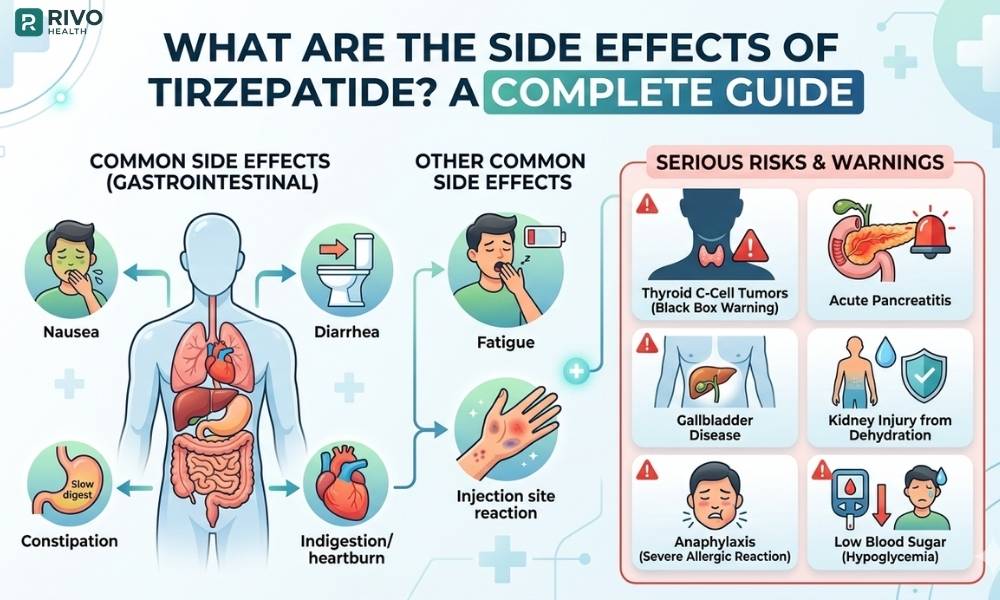
The most common side effects of Tirzepatide are gastrointestinal, including nausea, diarrhea, vomiting, constipation, and stomach pain. These symptoms typically occur when starting the medication or increasing the dose. They usually resolve within a few weeks as your body adjusts. Always consult a healthcare provider for severe or persistent symptoms.
Weight management is a deeply personal journey. Finding the right tools can make all the difference in achieving your health goals. Recently, dual-action medications like Tirzepatide have transformed the landscape of medical weight loss. By targeting multiple hunger pathways, Tirzepatide offers a highly effective option for those struggling to see results with diet and exercise alone.
However, starting any new medication requires careful consideration. A critical part of that process is understanding what to expect after your first dose. Because Tirzepatide alters how your digestive system processes food, it can cause physical adjustments. Knowing about these adjustments helps you prepare and manage them effectively.
Our medical professionals at Rivo Health prioritize your safety and comfort. We believe that informed patients experience the best outcomes. This guide will explain the most common side effects of Tirzepatide, offer expert guidance on how to minimize discomfort, and help you determine when to reach out to a qualified healthcare provider.
How does Tirzepatide work for weight loss?
Tirzepatide is a dual-action medication that targets two specific hormone receptors: GIP and GLP-1. Rivo Health providers often recommend Tirzepatide because it is currently rated as our most powerful clinical weight loss solution. It works by slowing down gastric emptying, which keeps you feeling full for longer periods. It also communicates with the brain to reduce appetite and manage cravings.
Because the medication directly impacts your digestive tract, most initial side effects relate to digestion. Your body simply needs time to adapt to this new metabolic pace.
What are the most common Tirzepatide side effects?
When you start taking Tirzepatide injections or oral treatments, you might experience mild to moderate gastrointestinal symptoms. According to standard clinical observations, these are the most frequently reported physical reactions.
Why do nausea and vomiting occur?
Nausea is the most widely reported side effect of Tirzepatide. Because the medication slows the movement of food through your stomach, you may feel unusually full or slightly queasy. This typically happens during the first few days after an injection. Some patients also experience mild vomiting if they eat large meals while taking the medication.
How does Tirzepatide affect bowel movements?
Changes in bowel habits are incredibly common. You might experience diarrhea as your digestive system adjusts to the medication. Conversely, the slowed gastric emptying can cause constipation. Staying hydrated is a crucial step in managing both of these conditions and supporting your overall health.
Can Tirzepatide cause fatigue or stomach pain?
You might notice a drop in your daily energy levels when starting the medication. This fatigue often results from consuming fewer calories than your body is used to. Mild stomach discomfort, acid reflux, or bloating can also occur as your digestion slows down.
How can I manage Tirzepatide side effects safely?
Navigating a new medication is much easier when you have a solid strategy in place. Rivo Health clinicians suggest several simple lifestyle adjustments to help minimize discomfort during your treatment.
Choose smaller, more frequent meals. Eating large portions can overwhelm your digestive system and trigger nausea. Instead, focus on small plates rich in lean proteins and complex carbohydrates.
Stay properly hydrated. Drinking plenty of water helps combat constipation and replaces fluids lost if you experience diarrhea.
Avoid greasy, fried, or overly sweet foods. High-fat meals take longer to digest naturally. Combining them with Tirzepatide can lead to severe bloating and stomach cramps. Choose bland foods like crackers, toast, or rice if you feel actively nauseous.
When should I contact a medical professional about Tirzepatide?
Most side effects of Tirzepatide diminish after a few weeks. However, expert guidance is vital if your symptoms become severe. You should contact your healthcare provider immediately if you experience severe abdominal pain that will not go away. You should also seek medical attention if you cannot keep liquids down for more than 24 hours.
Your health is our priority at Rivo Health. Our platform connects you with US-licensed doctors who adhere to rigorous medical protocols designed for patient safety. If Tirzepatide causes persistent issues, your provider can adjust your dosage or discuss alternative treatments like Semaglutide.
Taking the next step in your health journey
Deciding to try medical weight loss is a significant step toward a healthier lifestyle. While Tirzepatide side effects can cause temporary discomfort, most individuals find that the benefits of sustainable weight management far outweigh the initial adjustment period. By eating mindfully, staying hydrated, and keeping an open line of communication with your doctor, you can navigate these changes smoothly.
Rivo Health offers a secure and reliable platform to assess your eligibility for GLP-1 and GIP medications. We combine expert medical oversight with accessible telehealth care to ensure your safety every step of the way. If you are ready to explore your options, complete our secure online assessment today and connect with a qualified medical professional.
Frequently Asked Questions (FAQ)
How long do Tirzepatide side effects last?
Most mild side effects, such as nausea or bloating, subside within two to four weeks. Your body usually adapts to the medication during this timeframe. If symptoms persist beyond a month, consult your healthcare provider for an evaluation.
Is Tirzepatide safer than Semaglutide?
Both Tirzepatide and Semaglutide are considered safe when prescribed by a licensed healthcare provider. Tirzepatide targets two hunger pathways (GIP and GLP-1), while Semaglutide targets one (GLP-1). Your doctor will determine which option offers the best efficacy and safety profile for your specific medical history.
What should I eat when starting Tirzepatide?
Focus on lean proteins, whole grains, and plenty of water. Avoid high-fat, fried, and heavily processed foods, as these can exacerbate nausea and stomach pain. Eating small, frequent meals rather than large portions also helps reduce digestive discomfort.
Does Rivo Health protect my private medical data?
Yes. The Rivo Health platform complies with US privacy laws to ensure secure data handling. We use encryption and strict compliance standards to guarantee your personal health information remains confidential throughout your telehealth care experience.
What happens if I do not qualify for Tirzepatide?
Our network of US-licensed doctors will review your assessment carefully. If you are screened out of eligibility for Tirzepatide due to our rigorous exclusionary health criteria, your clinician will provide guidance on safe, alternative weight management solutions tailored to your needs.
Author:


Contact us
hello@rivohealth.co

*Our success rate reflects recent internal fulfillment and delivery performance for paid orders during the current quarter. Rates may vary based on pharmacy capacity, state regulations, and individual order details. This figure does not represent clinical outcomes or individual results and is subject to change as new data becomes available. Written prescription or weight loss results are not guaranteed.
1309 Coffeen Avenue STE 1200
Sheridan Wyoming 82801
1 (800) 705-8140